Reviewing Little Miss Firecracker SVG for 4th of July Embroidery
As an embroidery designer who spends more time staring at stitch simulations than I do sleeping, I have learned that not every cute graphic translates well to thread. We have all been there: you find a charming digital asset, imagine it on a onesie or a tote bag, and then realize the details are too fine for a standard hoop or the density will turn your fabric into cardboard. That is why I approach every new machine embroidery design with a mix of excitement and skepticism. Recently, I took a close look at the Little Miss Firecracker SVG, 4th of July to see if it holds up under the needle.
This isn’t just about whether the lines are clean in Illustrator; it is about how those lines behave when converted into satin stitches, fill stitches, and running stitches on actual fabric. For those of us running a craft business or selling as an Etsy seller, the difference between a bestseller and a return often comes down to these technical nuances. Let’s break down how this design performs in real-world scenarios.
First Impressions: Mood and Visual Personality
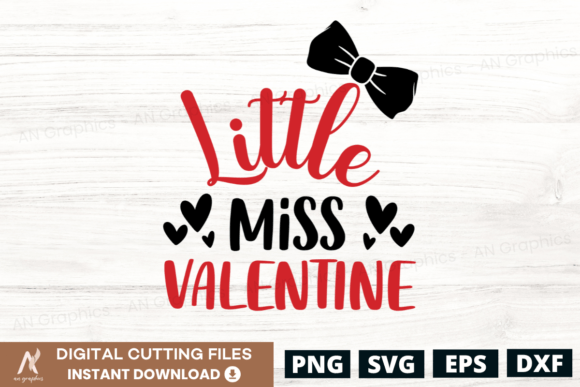
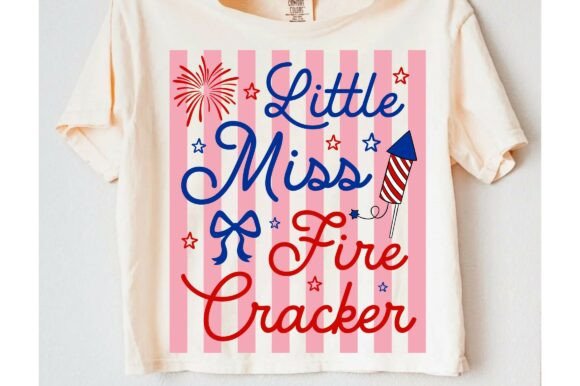
The first thing that strikes me about the Little Miss Firecracker SVG, 4th of July is its playful energy. It captures that specific, whimsical spirit of Independence Day without relying on the overly aggressive or militaristic imagery sometimes associated with the holiday. The layout feels balanced, with a clear focal point that draws the eye immediately. For a designer, this is crucial. When you are creating a personalized gift or a small shop product, you need a design that communicates its message instantly.
The visual personality here is soft yet celebratory. It fits naturally into the category of baby embroidery or children’s apparel, but it is versatile enough for adult custom apparel if scaled correctly. The shapes appear distinct, which suggests that the transition from vector path to stitch path should be relatively straightforward. However, "straightforward" does not mean "automatic." I always look for potential trouble spots where thin lines might get lost or where sharp corners could cause thread bunching.
Real-World Application: From Screen to Stitch
To truly evaluate an embroidery file, you have to imagine it on a product. I pictured this design stitched onto a white cotton tote bag. The contrast would be striking, especially if using traditional red, white, and blue thread colors. Because the design likely contains both text and graphical elements, placement is key. On a tote, centering it works well. On a sweatshirt, you might want to place it slightly higher on the chest to avoid distortion from the pocket area or lower hem.
I also considered this as an embroidered patch. Patches are trending, and a patriotic theme sells year-round, not just in July. If you digitize this for a patch, you will need to pay attention to the border. A solid satin stitch border can frame the Little Miss Firecracker SVG, 4th of July beautifully, containing the design and giving it a professional finish. This approach turns a simple graphic into a durable handmade product that can be ironed or sewn onto denim jackets, caps, or backpacks.
For sweatshirt embroidery, the texture of the fleece matters. Fleece is plush and can swallow small details. If this design has intricate inner details, they might disappear into the nap of the fabric. In such cases, I recommend using a cutaway stabilizer to provide a firm foundation and possibly simplifying the digitizing by reducing the number of color changes or merging small adjacent areas. This ensures the design remains legible and crisp.
Navigating Fabric and Hoop Constraints
One of the most critical aspects of using any digital embroidery file is understanding its limitations regarding hoop size and fabric type. While the product description mentions formats like SVG, PNG, EPS, and DXF, it is vital to remember that these are primarily cutting or print files. To use this for embroidery, you must ensure you have a properly digitized version, or be prepared to digitize it yourself if you have the skills. If you are purchasing a pre-digitized version, always check the recommended hoop size.
If you attempt to stitch this on a curved surface, like a cap, you must account for the curvature. Designs that look flat on screen can distort when stitched on a rounded crown. I advise testing the design on a scrap piece of the same fabric you intend to use for the final embroidery project. This test run allows you to check stitch density. If the density is too high, the fabric may pucker or tear. If it is too low, the backing material might show through, ruining the aesthetic of your finished product.
Dark fabrics present another challenge. If you are stitching this on navy or black, you need to ensure that the design includes underlay stitches that are sufficient to cover the base fabric. Without proper underlay, your bright reds and whites will look dull and muddy. This is where the quality of the digitizing shines. A well-digitized file will account for these variables, but if you are working from a raw SVG, you must make these adjustments manually.
Commercial Viability and Brand Consistency
For commercial embroidery professionals, consistency is king. Your customers expect the same quality every time they order. The Little Miss Firecracker SVG, 4th of July offers a consistent theme that can be part of a larger collection. Imagine offering a matching set: a baby onesie, a mom’s tote bag, and a dad’s cap. This bundling strategy increases the perceived value of your design assets and encourages larger purchases.
However, before listing this as a T-Shirt Designs option or a Graphics download, verify the licensing terms. Just because you receive an SVG file does not automatically grant you the right to sell the digital file itself. Usually, you can sell the physical handmade product created with the design, but reselling the file is often prohibited. Always read the license agreement carefully to protect your business.
From a marketing perspective, this design lends itself well to printable mockup creation. High-quality mockups can help customers visualize the final item, increasing conversion rates. Show the design on different backgrounds—linen, denim, cotton—to demonstrate its versatility. This transparency builds trust and reduces the likelihood of returns due to mismatched expectations.
Practical Designer Notes for Best Results
To get the most out of this design, follow these practical steps:
- Test on Scrap Fabric: Never skip this step. It saves time, money, and frustration in the long run.
- Check Thread Contrast: Ensure your thread colors stand out against the fabric. Use a color wheel to find complementary or contrasting shades.
- Review Stitch Density: Adjust density based on fabric weight. Lighter fabrics need less density to prevent puckering.
- Confirm Hoop Size: Make sure the design fits comfortably within your hoop, leaving enough margin for clamping.
- Inspect Small Details: Zoom in on the digitized file. Are there tiny stitches that might break? Simplify if necessary.
- Use Proper Stabilizer: Match the stabilizer to the fabric. Cutaway for stretchy knits, tear-away for stable wovens.
- Verify Licensing: Confirm whether the license allows for commercial use of finished items.
In conclusion, the Little Miss Firecracker SVG, 4th of July is a promising asset for your holiday collection. With careful attention to digitizing, fabric choice, and stabilization, it can become a standout piece in your Etsy listings or boutique inventory. Remember, the magic lies not just in the design itself, but in how thoughtfully you execute it. Happy stitching!