Reviewing I Am Black History Design for Embroidery
As a designer who has spent countless hours digitizing and stitching out everything from delicate monograms to bold corporate logos, I approach every new machine embroidery design with a critical eye. It is not just about whether the file opens correctly; it is about how the design translates from a digital screen to physical thread. Recently, I evaluated the I Am Black History Design, a graphic that carries significant cultural weight and visual potential. My goal was to determine if this asset holds up under the needle, particularly for those of us running small craft businesses or creating personalized gifts.
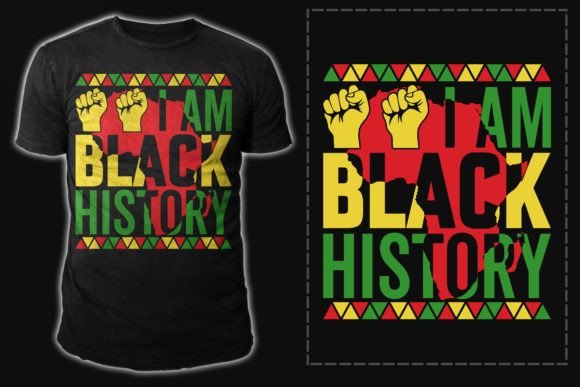
The first impression of this design is one of bold clarity. The phrase “I’m black history” is not just text; it is a statement. In the context of T-Shirt Designs and Graphics, simplicity often wins because complex details can get lost in translation. This design relies on strong typography and layout rather than intricate shading, which is a smart move for embroidery. When I loaded the files into my editing software, I appreciated the clean vector paths provided in the AI and EPS formats. These are essential for anyone who needs to resize the artwork without losing quality before converting it into an embroidery file.
Real-World Application: The Tote Bag Test
To truly understand the value of this design, I imagined a specific real-life scenario. Picture a local community event or a heritage month celebration where you are selling handmade goods. I decided to visualize this design stitched onto a heavy canvas tote bag design. Canvas is a forgiving fabric, but it requires proper tension. The bold nature of the I Am Black History Design works exceptionally well here because the thick strokes of the letters can support a dense fill stitch without puckering the fabric excessively.
If I were producing this for a client, I would likely use a contrasting thread color to make the message pop. For a black tote bag, a vibrant gold or bright white thread would create a striking visual contrast. The design’s layout allows for a centered placement that feels balanced and professional. It does not look like an afterthought; it looks like intentional custom apparel or accessory branding. This kind of thoughtful application is what turns a simple handmade product into a cherished item.
Performance on Apparel and Textiles
Beyond tote bags, this design shines in sweatshirt embroidery. Hoodies and crewnecks have become staples in modern streetwear and casual fashion. The texture of fleece or cotton blend fabrics provides a nice backdrop for the raised texture of embroidery. However, working with stretchy fabrics requires caution. I always recommend using a cut-away stabilizer for knit garments to prevent the design from distorting after washing. Since the I Am Black History Design features solid lettering, the stitch density must be managed carefully. Too dense, and the fabric will pucker; too light, and the backing might show through.
For those interested in baby embroidery, such as onesies or soft blankets, this design can be adapted, but scale is crucial. You must ensure the text remains legible when scaled down. Tiny lettering can become a tangled mess of thread if the digitizing does not account for the minimum stitch length. I advise testing a smaller version on scrap fabric first. If the details hold up, it makes for a powerful and educational personalized gift that parents might appreciate for its cultural significance.
Navigating Technical Challenges
While the design is robust, there are areas where careful execution is required. Curved surfaces, such as caps, present a unique challenge. Embroidering on a structured cap requires precise hooping and often a specialized fixture. The straight lines in the text of the I Am Black History Design need to follow the curve of the cap naturally. If the design is too wide, it may distort at the edges. I recommend checking the width against your standard hoop size capabilities. A 4x4 inch hoop might be tight, whereas a 5x7 inch hoop would offer more breathing room for proper stabilization.
Another consideration is fabric texture. On highly textured materials like terry cloth towels or rough linen, fine details can get lost. This design, being primarily typographic, is relatively safe, but you must choose your thread colors wisely. High contrast is key. If you are stitching on dark fabric, ensure your thread has enough sheen and brightness to stand out. The included PNG file with a transparent background is helpful for creating printable mockup previews, allowing you to visualize the contrast before you even thread your machine.
Commercial Value and Brand Consistency
For Etsy sellers and owners of small shops, the versatility of this design is a major asset. The package includes editable files in AI, EPS, DXF, SVG, and JPG formats. This means you are not limited to embroidery. You can use the same design assets for sublimation printing, vinyl cutting, or digital prints. This consistency across products helps build a cohesive brand identity. When a customer sees the same powerful message on a shirt, a mug, and a patch, it reinforces the professionalism of your craft business.
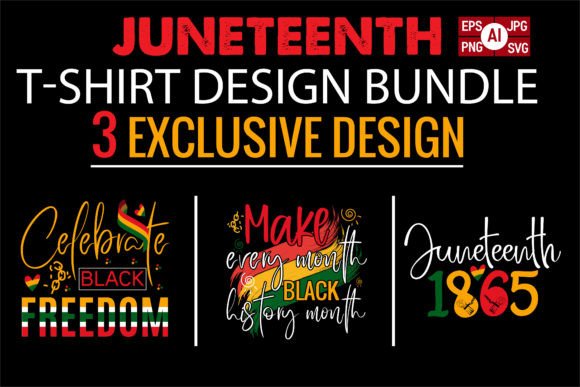
The ability to change colors is particularly valuable. Different holidays or events may call for different palettes. For holiday embroidery projects, such as Juneteenth or Black History Month celebrations, you might opt for traditional red, black, and green threads. For everyday wear, neutral tones might appeal to a broader audience. Having 100 color-changeable options gives you the flexibility to cater to diverse customer preferences without needing to purchase multiple versions of the same design.
Practical Designer Notes for Best Results
Before you commit to a full production run, here are some practical steps I always take. First, always stitch out a test sample on the actual fabric you plan to use. Fabric behavior varies wildly between brands and blends. Second, inspect the stitch density in your embroidery software. If the design feels too heavy, consider reducing the density slightly or adding underlay stitches to support the top threads. Third, confirm the licensing terms. While the product description mentions commercial use potential, always double-check the specific license agreement to ensure you are compliant when selling finished product items.
Additionally, use the high-resolution mockups provided to market your items effectively. A good printable mockup can significantly increase buyer engagement by helping customers visualize the final look. Ensure your photos highlight the texture of the stitches, as this tactile quality is a major selling point of embroidered goods compared to printed graphics.
Final Verdict on the Design
The I Am Black History Design is a strong contender for any designer looking to add meaningful, culturally relevant items to their portfolio. It balances aesthetic appeal with technical feasibility. It is not overly complex, which reduces the risk of stitching errors, yet it is bold enough to make a statement. Whether you are creating an embroidered patch for a jacket, a kitchen towel for a home gift, or a line of custom apparel for your online store, this design offers the flexibility and quality needed for professional results.
Remember, the success of any embroidery project lies in the preparation. Choose your stabilizer wisely, respect the limitations of your hoop size, and let the quality of your stitching speak for itself. With the right approach, this design can become a staple in your small shop product lineup, resonating with customers who value both style and substance.