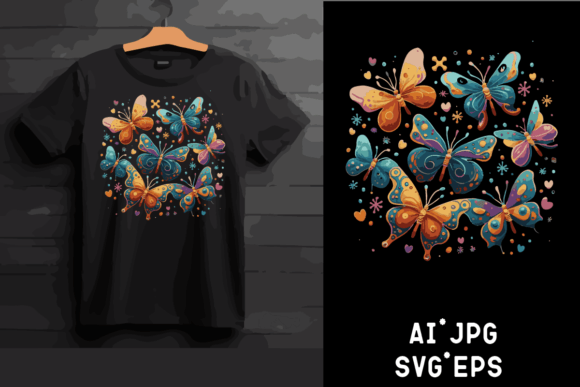
Reviewing Autism Butterflies Water Color for Embroidery
As a designer who spends half my life tweaking stitch paths and the other half sourcing fabrics, I have learned that not every pretty graphic translates well to thread. When I first pulled up Autism Butterflies Water Color, my initial reaction was cautious optimism. The watercolor aesthetic is trendy, soft, and emotionally resonant, but it can be a nightmare to digitize if the transitions are too subtle. However, looking at this as a potential asset for real-world projects, I see a design that bridges the gap between digital art and tactile craftsmanship with surprising ease.
The mood of this piece is gentle and inclusive. It does not scream for attention with harsh lines or neon contrasts; instead, it invites a closer look. For embroidery designers and small business owners, this is a valuable trait. It suggests a product that feels thoughtful rather than mass-produced. Whether you are an Etsy seller looking to expand your spring collection or a hobbyist making a personalized gift, understanding how this design behaves under the needle is crucial before you commit to hooping.
First Impressions and Visual Personality
The core appeal of Autism Butterflies Water Color lies in its fluidity. The butterfly motif is universally recognized as a symbol of transformation and neurodiversity awareness, making it highly relevant for current market trends. The watercolor style implies soft edges and blended hues. In a digital format, this looks seamless. In embroidery, however, we must consider how these blends translate to thread.
Since the product description notes that this is a digital art file available in AI, PNG, and SVG formats, it is important to clarify that this is likely a graphic intended for printing or further digitization, rather than a pre-digitized machine embroidery file with defined stitch types like satin stitch or fill stitch. This distinction matters. If you are planning to use this for direct-to-garment printing on a tote bag design, the SVG and AI files will give you crisp, scalable vectors. If you intend to embroider it, you will need to take these graphics into your digitizing software or hire a digitizer to convert the watercolor effects into stitch data.
The layout is balanced, which is excellent for placement versatility. It does not rely on tiny, fragile details that might get lost in fabric texture. Instead, the shapes are broad enough to hold their form, even when scaled down slightly. This makes it a strong candidate for various applications, from sweatshirt embroidery to nursery decor.
Real-World Application: The Custom Tote Scenario
Let’s walk through a realistic scenario. Imagine a client approaches you for a custom order: a canvas tote bag for an autism awareness walk. They want something that looks artistic but durable. You choose Autism Butterflies Water Color because of its symbolic weight and aesthetic appeal.
If you are printing this design, the "Ready to print" aspect mentioned in the description is your biggest advantage. The PNG file allows for transparent backgrounds, meaning you can place the butterfly on any color fabric without a white box surrounding it. For a natural cotton tote, the watercolor effect will mimic hand-painted art, adding significant perceived value to the handmade product.
However, if you are converting this into an embroidered patch or direct embroidery, you face different challenges. Watercolor gradients require careful thread color selection. You cannot simply pick ten shades of blue and hope for the best. You must map the lightest areas to running stitch or light fill stitch densities, while using denser fill stitches for the darker, more saturated parts of the wings. The goal is to create the illusion of blending without creating a stiff, cardboard-like patch on the fabric.
Fabric Considerations and Stitching Clarity
One of the most critical aspects of using watercolor-inspired graphics in embroidery is fabric choice. This design thrives on stable, medium-weight fabrics. A cotton twill or a sturdy linen would provide the perfect canvas. The texture of these fabrics complements the organic feel of the butterfly.
Conversely, you must exercise caution with stretchy fabrics or thin materials. If you attempt to stitch a complex, multi-colored design like this on a lightweight jersey t-shirt without proper stabilization, the fabric may pucker. The stitch density required to capture the color variations can pull on delicate fibers. Always use a cut-away stabilizer for knit garments to ensure the finished product maintains its shape after washing.
Dark fabrics present another hurdle. Watercolor designs often rely on light, pastel tones to convey their ethereal quality. On black or navy fabric, these colors may vanish. In such cases, consider adding a white underlay or choosing a version of the design with higher contrast. Alternatively, use this graphic for printed mockups to show clients how it would look on dark apparel before committing to expensive thread tests.
Commercial Viability for Small Shops
For craft business owners and boutique branding specialists, Autism Butterflies Water Color offers strong commercial potential. Neurodiversity awareness is a growing niche, and customers are actively seeking items that represent this community with dignity and beauty. This design avoids clichés, offering a sophisticated alternative to standard puzzle-piece motifs.
You can leverage this asset across multiple product lines. Consider using it for:
- Holiday gifts: Soft, meaningful presents for family members.
- Baby embroidery: Applied to onesies or blankets, provided the stitch density is kept low for comfort.
- Custom apparel: Hoodies and sweatshirts where the design can be centered for maximum impact.
- Digital products: Use the AI and SVG files to create printable wall art or iron-on transfers for your Etsy shop.
The ability to easily change colors, as noted in the item description, is a significant benefit. You can adapt the palette to match seasonal trends—pastels for spring, warmer tones for autumn—without altering the core shape. This flexibility allows you to keep your inventory fresh without constantly buying new design assets.
Practical Designer Notes and Best Practices
Before you launch this design into your production workflow, take a moment to review these practical steps. Since the provided files are graphics (AI, PNG, SVG) and not necessarily pre-digitized embroidery files, your preparation phase is key.
- Test on Scrap Fabric: Never hoop your final garment first. Stitch out your digitized version on a scrap piece of the same fabric to check for puckering or thread breaks.
- Check Thread Contrast: Lay out your thread spools next to the digital preview. Ensure there is enough distinction between adjacent colors to prevent the design from looking muddy.
- Verify Licensing: While the description welcomes you to use the files, always confirm whether the license covers commercial sales of finished physical items versus digital redistribution. Most graphic licenses allow for physical end products but prohibit reselling the digital file itself.
- Inspect Small Details: If you digitize this yourself, simplify the smallest details. Tiny islands of color can cause thread nests. Merge small areas into larger shapes where possible.
- Mockup Testing: Use the PNG file to create realistic mockups on various products. See how it looks on a cap versus a pillow cover. This helps you decide which items to stock in your small shop product line.
In conclusion, Autism Butterflies Water Color is a versatile and emotionally powerful asset. It requires a thoughtful approach to execution, particularly if transitioning from print to embroidery, but the results can elevate your brand’s professionalism and customer engagement. By respecting the nuances of fabric texture, stitch density, and color theory, you can transform this digital graphic into a cherished handmade product that resonates with buyers.