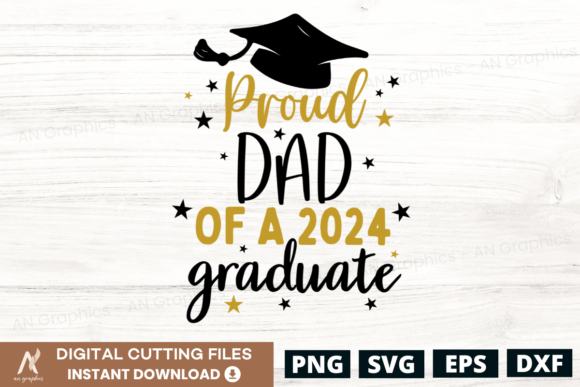
Proud Dad of a 2024 Graduate: A Designer’s Review
As an embroidery designer who has spent years digitizing and testing files for real-world application, I approach every new machine embroidery design with a critical eye. It is not just about whether the image looks good on a screen; it is about how it translates to thread, how it behaves under the needle, and ultimately, how it holds up in the hands of a customer. Recently, I evaluated the Proud Dad of a 2024 Graduate Color SVG, a digital asset that sits at the intersection of graphic design and textile art. While marketed primarily for cutting machines, its potential in the embroidery world offers a fascinating case study for crafters and small business owners alike.
First Impressions: Mood and Visual Personality
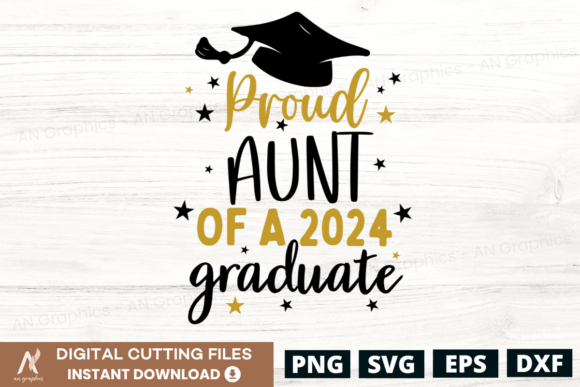
The first thing that strikes you about the Proud Dad of a 2024 Graduate Color SVG is its celebratory yet grounded tone. The layout is clean, avoiding the clutter that often plagues graduation-themed graphics. For a designer, this simplicity is a double-edged sword. On one hand, it ensures high readability and immediate emotional connection. On the other, it demands precision in execution. The visual personality suggests pride, accomplishment, and family unity. It does not scream for attention with excessive ornamentation; instead, it relies on strong typography and balanced composition. This makes it an ideal candidate for projects where the message is the hero, such as custom apparel or commemorative home decor.
When I visualize this design stitched out, I see it working best with bold, confident stitch types. The shapes are solid, which implies that a combination of satin stitch for borders and fill stitch for larger areas would yield a professional finish. However, because this is provided as an SVG and PNG, the burden of digitization falls on the user. This is crucial for embroidery professionals to understand: you are not buying a ready-to-stitch embroidery file; you are buying the graphic foundation. This distinction changes how we approach the project.
Real-World Application: From Screen to Stitch
Let us consider a practical scenario. Imagine a local parent approaches your small shop for a personalized gift for their spouse. They want something durable, meaningful, and stylish. A sweatshirt is a classic choice. Using the Proud Dad of a 2024 Graduate Color SVG as the base, you would need to convert this vector graphic into a stitch file. In this context, the design shines. The broad lines of the text allow for substantial stitch coverage, creating a textured, tactile feel that elevates the handmade product above a simple printed tee.
Beyond sweatshirts, this design has versatility. It could be scaled down for a pocket placement on a button-down shirt or scaled up for the back of a hoodie. For those running an Etsy seller account or a boutique brand, this flexibility is valuable. You can offer it as part of a "Graduation Family Set," pairing it with complementary designs for the graduate and other family members. The cohesive look helps build brand consistency and encourages multiple sales. Furthermore, the design works well for non-apparel items. Imagine it embroidered on a heavy canvas tote bag design or a structured cap. The rigid nature of these materials supports the density required for clear lettering.
Navigating Technical Challenges
However, we must address the technical realities. Since the product description specifies a digital download containing an SVG and a PNG, you must be cautious about stitch density and detail. If you attempt to stitch this directly without proper digitizing software, you will fail. The SVG paths must be converted into stitch commands. Small details, such as the inner curves of letters or any decorative elements, can become problematic if the hoop size is too small or if the fabric is unstable.
Textured fabrics present another challenge. If you are stitching on a waffle-knit sweatshirt or a rough linen towel, the fabric texture can obscure fine lines. In such cases, I recommend using a higher contrast in thread colors to ensure legibility. For dark fabrics, you must plan for an underlay stitch to prevent the garment color from showing through the top stitches. This is where the role of the stabilizer becomes critical. A cut-away stabilizer is often necessary for stretchy garments like t-shirts to prevent puckering, while a tear-away might suffice for stable woven fabrics like aprons or pillow covers.
Commercial Viability and Customer Trust
For commercial embroidery projects, the quality of the final stitch-out directly impacts customer trust. A messy design with loose threads or poor registration can damage your reputation. The Proud Dad of a 2024 Graduate Color SVG, when properly digitized, offers a high perceived value. It looks professional and thoughtful. This is essential for custom apparel businesses where clients expect premium results. The design’s clarity aids in this; there are no ambiguous shapes that could confuse the machine or the viewer.
Moreover, the emotional resonance of the design enhances its marketability. Graduation is a milestone event. Products that capture this sentiment, such as an embroidered patch for a jacket or a personalized blanket, become keepsakes. They are not just items; they are memories. This emotional weight allows sellers to command higher prices, provided the craftsmanship matches the sentiment. When listing such items, using high-quality printable mockup images that show the texture of the stitches can significantly boost buyer engagement.
Practical Notes for the Embroidery Designer
Before you commit to producing this design for a client or your inventory, follow these practical steps:
- Test on Scrap Fabric: Always run a test stitch-out on the same type of fabric you intend to use for the final product. This reveals issues with tension and density.
- Check Thread Contrast: Ensure your chosen thread colors stand out against the fabric. A low-contrast combination can make the text difficult to read from a distance.
- Review Digitizing Settings: Since you are converting an SVG, pay close attention to corner handling and pull compensation. Poorly digitized corners can look rounded and sloppy.
- Confirm Licensing: The product description mentions it is a digital download for Cricut and Silhouette. Verify the license terms for commercial use if you plan to sell finished physical items. Some graphic licenses do not automatically cover commercial embroidery sales.
- Inspect Small Details: If you scale the design down for a baby item or a small accessory, ensure the text remains legible. Tiny lettering can merge together if the stitch width is too wide.
Final Verdict
The Proud Dad of a 2024 Graduate Color SVG is a strong foundational asset for designers who understand the translation from vector to stitch. It is not a plug-and-play solution for embroidery machines, but rather a high-quality graphic that, with skilled digitizing, can result in stunning finished product outcomes. Its strength lies in its clarity and emotional appeal. For the experienced designer, it offers a canvas to demonstrate technical prowess through precise stitching and thoughtful material selection. For the hobbyist, it serves as a reminder that great embroidery starts with great design, but ends with meticulous execution. Whether you are creating a holiday embroidery gift or a year-round small shop product, this design holds promise, provided you respect the technical demands of the medium.
In the competitive landscape of T-Shirt Designs and personalized goods, standing out requires more than just a cute image. It requires a deep understanding of how that image lives in the physical world. This design, when treated with the care it deserves, can be a cornerstone of a successful graduation collection. Just remember to check your design assets, respect the fabric, and let the thread do the talking.